
Vaping has become a significant part of the modern lifestyle, especially as a perceived alternative to smoking. It’s not just a passing trend; millions of people around the world have adopted it as a way to consume nicotine, enjoy flavored vapor, or even quit smoking traditional cigarettes. But while it’s common to see people puffing on vape Crystal Pro CP10k pens or e-cigarettes, many may not fully understand how vaping actually works. This article will delve into the science behind vaping, how the devices function, and the steps involved in the entire process.
What is Vaping?
At its core, vaping is the act of inhaling vapor produced by an electronic device known as a vaporizer or e-cigarette. These devices are designed to heat up a liquid (commonly referred to as e-liquid or vape juice) that contains a mixture of ingredients such as nicotine, flavorings, and a base of propylene glycol or vegetable glycerin. The liquid is heated to a point where it turns into a vapor, which the user then inhales.
Vaping differs from smoking in several significant ways. In traditional smoking, tobacco is burned, releasing harmful chemicals like tar and carbon monoxide, which are detrimental to the lungs and overall health. Vaping, on the other hand, doesn’t involve combustion. Instead, it relies on a process of heating a liquid to produce a vapor that is inhaled. This fundamental difference is one of the reasons vaping is often promoted as a less harmful alternative to smoking.
The Key Components of a Vape Device
To understand how vaping works, it’s essential to look at the main components of a vape device, as each part plays a role in the process of creating vapor:
- Battery
The battery is the powerhouse of the vape device. It provides the necessary energy to heat the e-liquid. Most modern vape pens and e-cigarettes come with rechargeable lithium-ion batteries, which are efficient and long-lasting. The battery’s power determines how much heat can be generated, which, in turn, affects the intensity of the vapor produced. - Atomizer
The atomizer is the heating element of the vape device. It is responsible for vaporizing the e-liquid. The atomizer is typically made of metal coils that heat up when current passes through them. The coils are surrounded by wicks, which absorb the e-liquid and deliver it to the heating element. The heat generated by the coil turns the liquid into vapor, which is then inhaled by the user. - E-Liquid
E-liquid, or vape juice, is the substance that is vaporized in the vape device. It is typically composed of four main ingredients: nicotine, propylene glycol (PG), vegetable glycerin (VG), and flavorings. The nicotine content can vary, allowing users to select their preferred strength or choose nicotine-free options. PG and VG are the base liquids that help produce vapor. PG is known for providing a throat hit similar to that of smoking, while VG creates larger vapor clouds. - Mouthpiece
The mouthpiece, or drip tip, is the part of the vape device where the user inhales the vapor. It connects directly to the atomizer, allowing vapor to travel from the heating element to the user’s mouth and lungs. - Tank or Cartridge
The tank (or cartridge) holds the e-liquid in a vape device. Tanks can vary in size, and some are refillable, while others come as pre-filled disposable cartridges. Tanks are generally designed to ensure a constant supply of e-liquid to the atomizer for vapor production.
The Process: How Does Vaping Work?
When you press the button on a vape device (or activate it through a draw, depending on the design), the following sequence of events happens:
- Powering On the Device
When the user activates the vape device, the battery powers the atomizer. This initiates the heating process. - Heating the E-Liquid
The e-liquid in the tank or cartridge is absorbed by the wicks and delivered to the coils. When the coils heat up, they begin to vaporize the liquid. The temperature of the coil plays a significant role in the production of vapor. If the coil is too cold, the liquid won’t vaporize efficiently, and if it’s too hot, the vapor may have an unpleasant burnt taste. - Vapor Production
As the e-liquid is heated, it begins to evaporate into a vapor. This is where the difference between smoking and vaping becomes apparent. Unlike cigarettes, which produce smoke through combustion, vaping relies on the process of evaporation, creating a vapor that is inhaled by the user. - Inhalation
The user inhales the vapor through the mouthpiece. This vapor typically contains nicotine, flavorings, and a variety of other compounds, depending on the e-liquid’s formulation. The vapor then enters the lungs, where it is absorbed into the bloodstream. For those who are using nicotine-based e-liquids, the nicotine quickly enters the system, providing the same effect that a smoker would experience from traditional cigarettes. - Exhalation
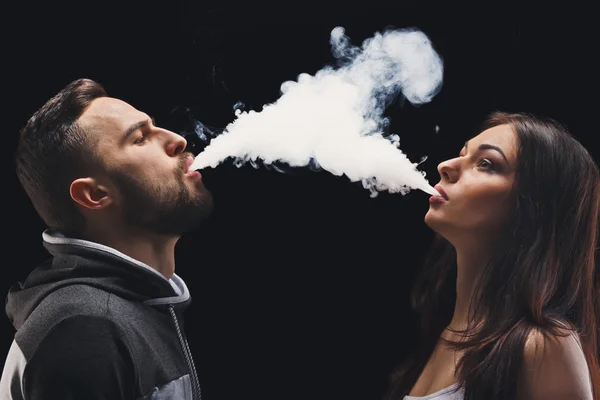
After inhaling the vapor, the user exhales, releasing a cloud of vapor into the air. Unlike cigarette smoke, which contains harmful chemicals and leaves a lingering odor, the vapor from e-cigarettes dissipates quickly and is generally less odorous. This is one of the reasons why vaping is often considered more socially acceptable than smoking.
What Are the Benefits of Vaping?
The primary benefit of vaping is that it is often perceived as a healthier alternative to smoking. Since vaping doesn’t involve combustion, it doesn’t produce many of the harmful chemicals associated with tobacco smoke. For example, e-cigarette vapor doesn’t contain tar, which is a major cause of lung disease, nor does it produce carbon monoxide, which is harmful to the cardiovascular system.
Additionally, vaping offers smokers an alternative method of consuming nicotine without the thousands of chemicals present in traditional cigarettes. Some people use vaping as a way to gradually reduce their nicotine intake by selecting e-liquids with lower nicotine concentrations.
However, it’s important to note that while vaping is often less harmful than smoking, it is not without risks. Nicotine is an addictive substance, and the long-term health effects of vaping are still being studied.
The Role of Flavors in Vaping
One of the reasons for the massive popularity of vaping, especially among younger people, is the wide range of flavors available. E-liquids come in virtually any flavor you can imagine, from fruity options like strawberry and mango to dessert flavors like vanilla custard and chocolate. There are also tobacco-flavored e-liquids, which mimic the taste of traditional cigarettes, as well as menthol and mint options.
Flavors play a crucial role in the appeal of vaping. They not only make the experience more enjoyable but also give users the opportunity to personalize their vaping journey. However, the availability of flavored e-liquids has also sparked controversy, particularly in relation to youth vaping. As a result, many countries have introduced regulations that limit the availability of flavored e-liquids, especially those that might appeal to younger audiences.
Conclusion
Vaping works through a simple yet effective process: an electronic device heats up e-liquid, turning it into vapor that is inhaled. The key components involved—battery, atomizer, e-liquid, and mouthpiece—work together to deliver the desired experience, whether that’s satisfying a nicotine craving or enjoying a flavorful vapor. While it’s often touted as a less harmful alternative to smoking, it’s essential to understand that vaping is not entirely risk-free, and its long-term effects are still being studied. Nonetheless, as technology advances, vaping continues to evolve, providing users with an experience that is customizable, enjoyable, and potentially safer than smoking traditional cigarettes.