
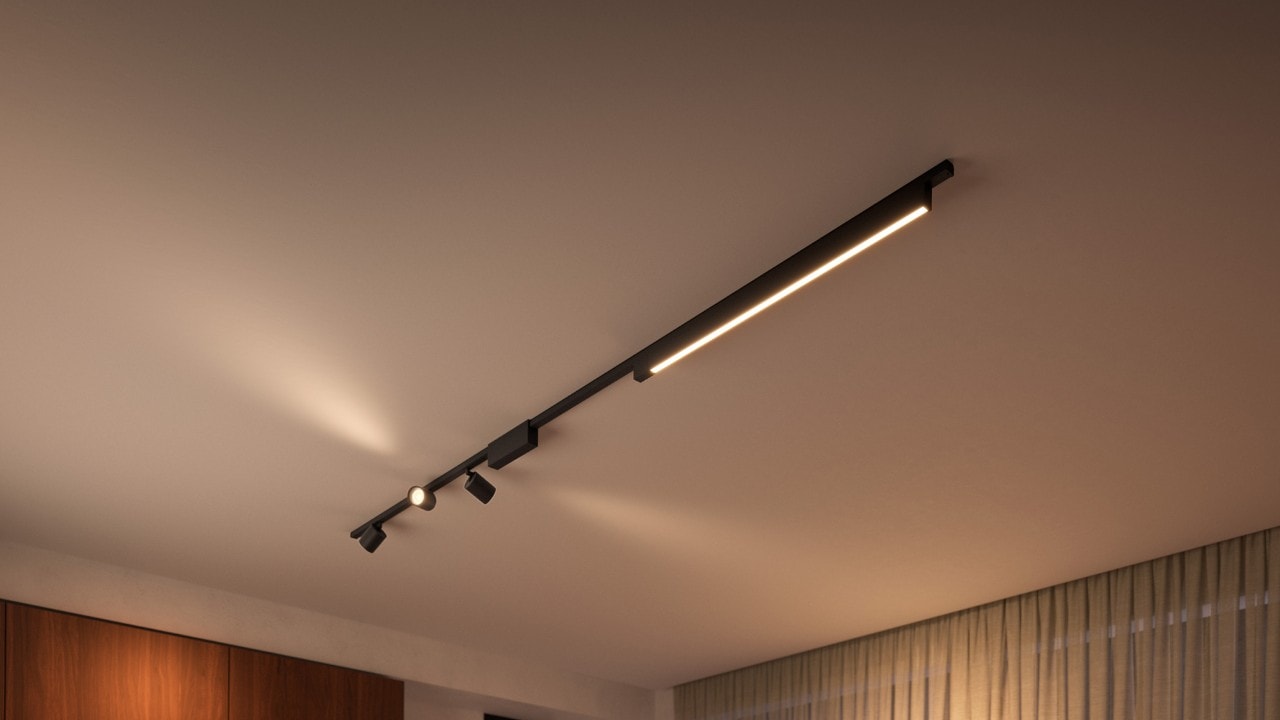
Lighting plays an important role in by using how a space looks, feels, and functions. Among the many lighting options available today, the track light has become one of the most versatile and stylish alternatives for modern rooms. Whether used in homes, offices, museums and galleries, or retail environments, this lighting system offers flexibility, efficiency, and aesthetic appeal that traditional fittings often cannot match. As design trends continue to change toward minimalism and flexibility, the track light stands apart as a practical and creative solution for contemporary lighting needs.
A track light is a lighting system where multiple light fittings are attached with a continuing track containing electrical conductors. Instead of relying on fixed threshold lights, the fittings can be adjusted, repositioned, or angled to direct light exactly where it is needed 路軌燈. This flexibility makes track lighting especially popular in spaces that need changing lights templates or focused lighting. The ability to customize lighting direction allows users to highlight artwork, illumine workspaces, or create layered lighting designs without complex electrical modifications.
One of the most attractive features of a track light is its flexibility. Traditional lights are static, meaning once installed, their lighting direction rarely changes. On the other hand, track lights allow individual heads to switch, tilt, and slide along the track. This means homeowners and designers can easily modify the lighting arrangement as furniture templates or decorative elements change. For example, if a living room is rearranged or new artwork is added, the lighting can be adjusted instantly without rewiring or replacing fittings.
The modern selling point of track lighting also lies in its clean and minimal design. Many contemporary rooms prioritize simplicity, open spaces, and clean ceilings. Track lights line-up perfectly with this aesthetic because they provide powerful lights without cumbersome fittings. Sleek metal finishes, matte black designs, and slim profiles allow track lighting systems to blend faultlessly into modern décor while still making a subtle design statement. In industrial or Scandinavian-style rooms, track lighting often becomes both a practical and decorative element.
Energy efficiency is another important benefit from using a track light system. Most modern track lights are best with LED lamps, which consume considerably less energy compared to traditional incandescent lighting. LED technology not only reduces electricity bills but also produces less heat and lasts a lot longer. This makes track lighting an green responsible choice for both residential and commercial spaces. Businesses, in particular, benefit from lower maintenance costs since LED lamps require fewer substitutes over time.
Track lighting is also highly effective for task lighting. Kitchens, home offices, and workshops often require focused lights to support detailed activities. Adjustable track heads allow light to be directed precisely onto countertops, companies, or work areas, improving visibility and reducing eye strain. Unlike general background lighting, which develops light smoothly across an area, track lighting can concentrate settings where it matters most, enhancing productivity and comfort.
Another reason designers favor track light installs is their capacity to create visual drama. Lighting can influence mood and perception, and track lights make it easy to design layered lighting. By combining spotlighting with softer background lighting, spaces can do depth and dimension. Shops frequently use track lighting to highlight products and guide customer attention, while galleries rely on it to showcase artwork without casting unwanted shadows. This precision lighting technique helps emphasize textures, colors, and industrial details.
Installation flexibility further increases the popularity of track lighting. Tracks can be attached with ceilings or walls and even stopped in rooms with high ceilings. Some systems allow bent or flexible track templates, enabling creative lighting patterns that follow industrial lines. This flexibility makes track lighting suitable for both small apartments and large commercial environments. Reconstruction projects especially benefit from track lighting because it often requires less structural modification compared to installing multiple separate fittings.
When selecting a track light system, several factors is highly recommended. The type of track, number of fittings, beam angle, and color temperature all influence the final lighting effect. Warm white lighting creates a cozy and inviting atmosphere, while cool white lighting gives a lighter and more energetic feel suited for workspaces. Choosing adjustable heads with dimming capabilities can further enhance versatility, allowing users to regulate settings based on time or activity.
Maintenance of track lighting is easy. Because each light head operates independently, replacing or upgrading individual fittings is easy. Cleaning the track and fittings periodically helps maintain settings and prevents dust build-up that can reduce light output. Modern systems are made for durability, ensuring long-term performance with minimal upkeep.
In recent years, smart home technology has expanded the number of choices of track lighting even further. Many track light systems now integrate with smart lamps and home automation platforms. Users can control settings, color temperature, and scheduling through mobile apps or voice assistants. This level of control not only improves convenience but also enhances energy management by allowing lights to operate only when needed.
Despite its several positive aspects, effective planning remains essential when installing track lighting. Proper placement ensures balanced lights and prevents overly harsh or uneven lighting. Designers often recommend combining track lights with other lighting types, such as lamps or recessed lights, to manufacture a harmonious lighting scheme. This layered approach enhances comfort while exploiting the functional benefits of track lighting.
The growing popularity of track light systems demonstrates bigger changes in how people think about interior spaces. Modern environments demand flexibility, efficiency, and personalization, and track lighting meets all these expectations. Its capacity to change alongside changing needs makes it more than just a lighting fixture; it becomes a fundamental element of design strategy.